Fostering Creativity in Community Hobby Clubs
Community hobby clubs play a vital role in enhancing local creativity and fostering collaborative projects. By organizing regular meetups, these clubs not only bring people together but also cultivate an environment where creativity can thrive. This article explores how community hobby clubs can effectively nurture creativity and collaboration among their members.
Understanding the Importance of Collaboration
According to research from the American Psychological Association, collaboration is a key factor in enhancing creative performance. When individuals share ideas and offer feedback, they often find inspiration that may not be attainable in isolation. Community hobby clubs typically provide a supportive atmosphere that encourages members to express their ideas without judgment.
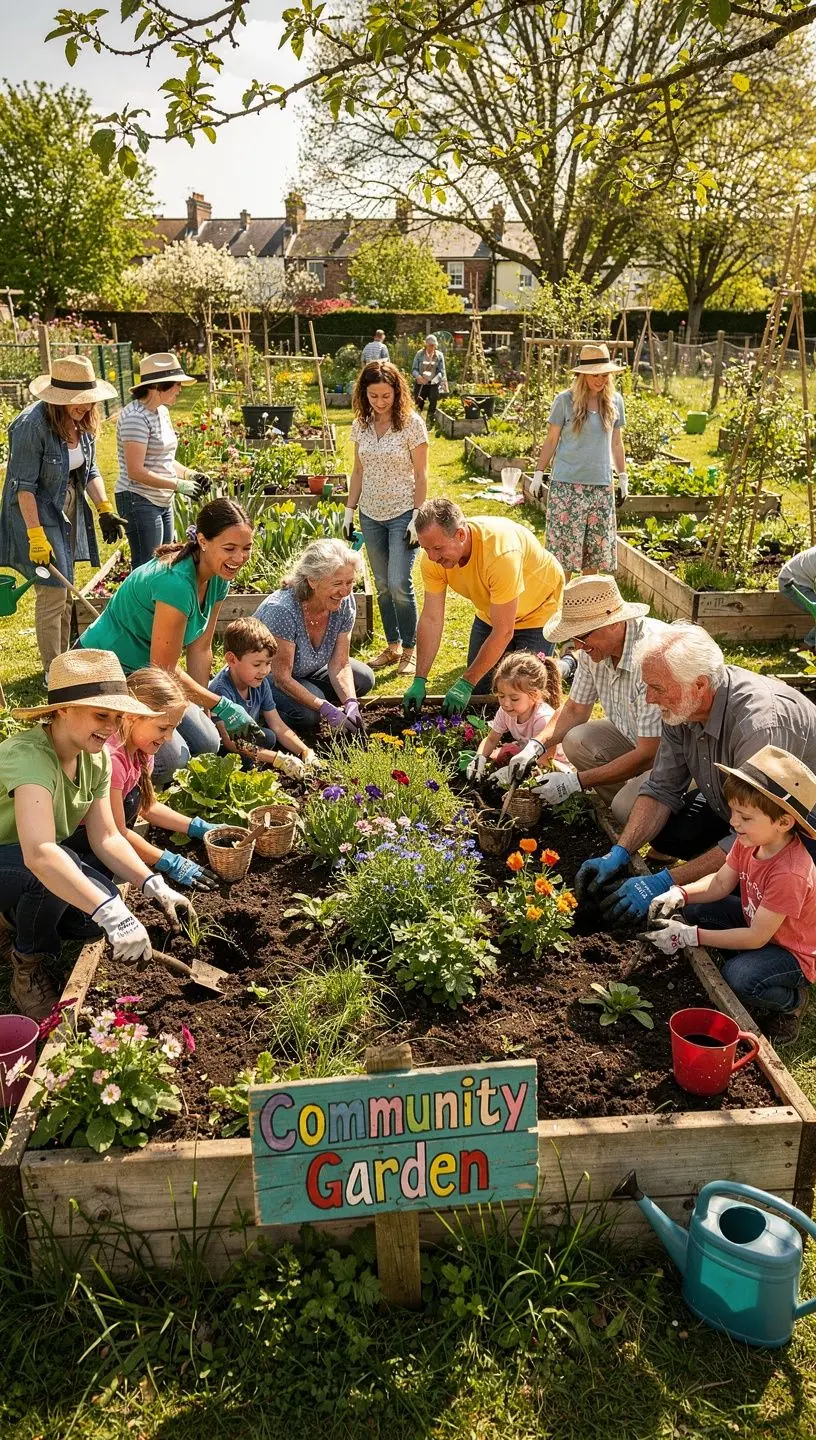
"Collaboration often leads to greater innovation, as diverse perspectives can spark new ideas and solutions." - Industry Experts
Creating a Supportive Environment
To foster creativity, clubs should implement approaches that enhance member engagement and participation. Here are some effective strategies:
- Regular Meetups: Hosting weekly or monthly meetings can create a routine that members can rely on. Many clubs report that consistent gatherings lead to improved camaraderie and idea sharing.
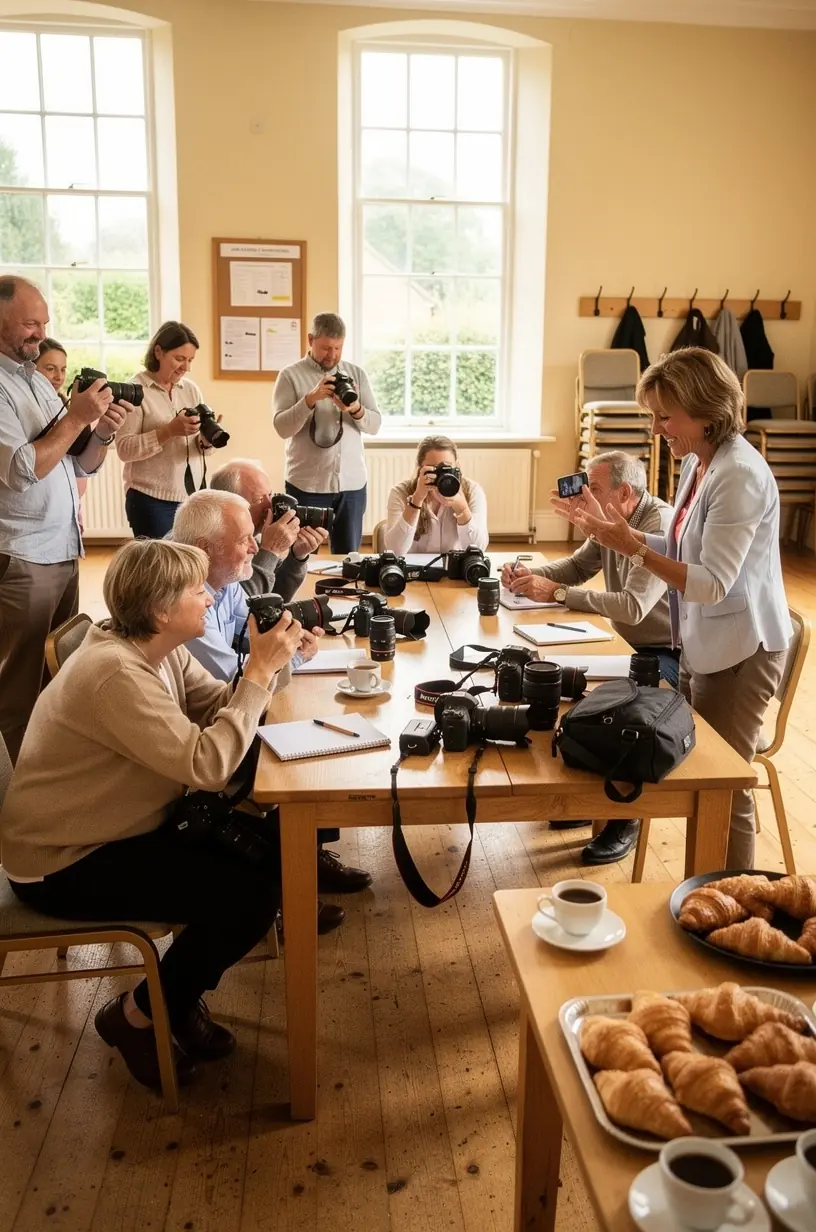
- Workshops and Skill Shares: These events allow members to teach and learn from one another, providing opportunities to acquire new skills and perspectives. Research indicates that learning in a group setting can improve retention rates significantly.
- Open Feedback Sessions: Encouraging members to share constructive feedback fosters a culture of trust and respect. This practice can enhance individual projects and lead to collective growth.
Incorporating Diverse Activities
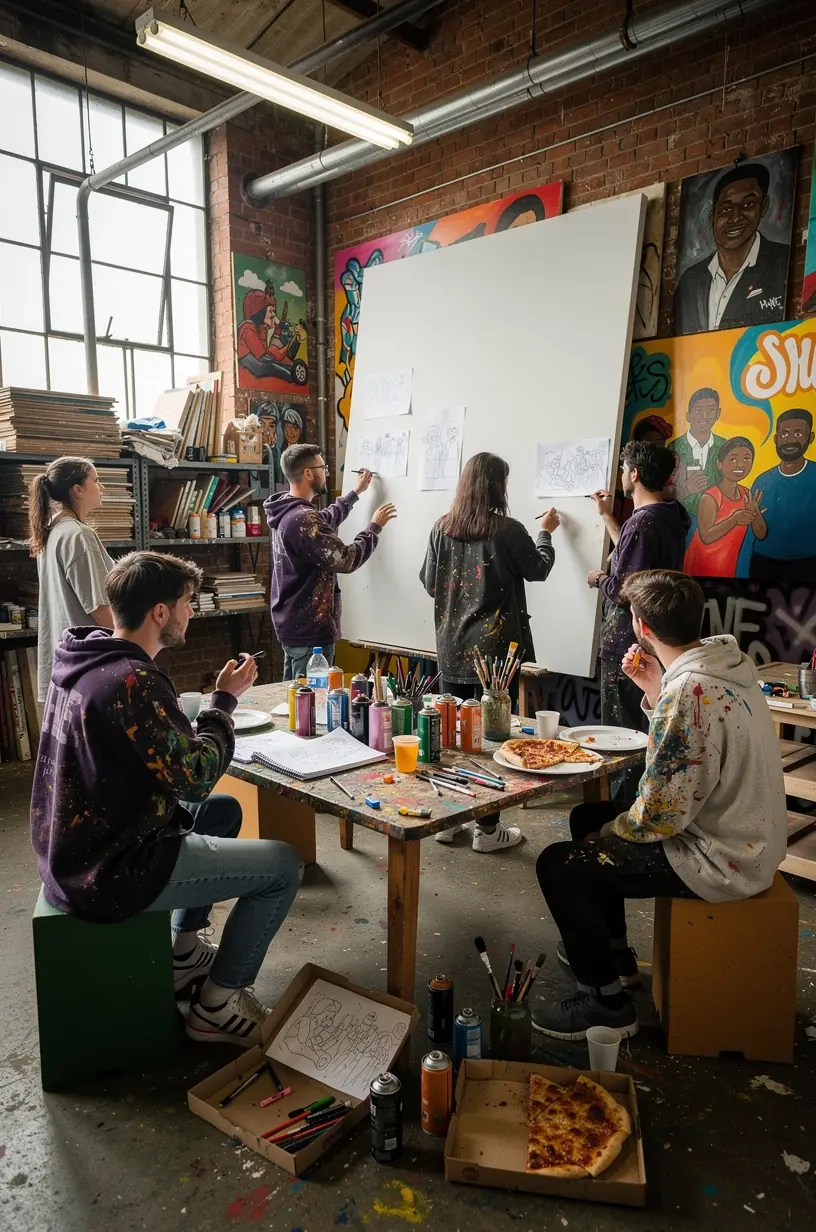
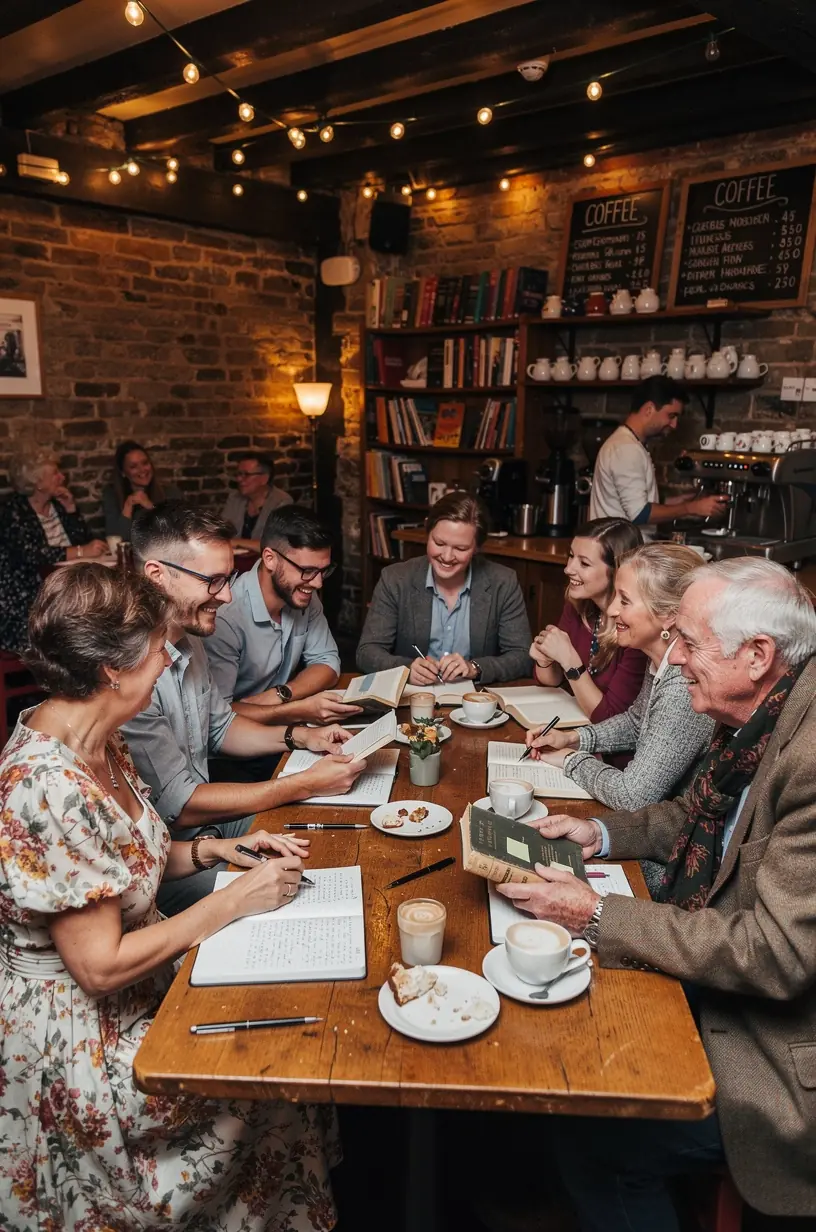
In many cases, variety can stimulate creativity within hobby clubs. Incorporating different types of activities allows members to explore their interests and develop new skills. Activities such as crafting, painting, writing, or even cooking can inspire creativity in unexpected ways.
It’s important to acknowledge that these activities may require a certain level of commitment. For example, mastering a new skill through regular practice typically takes several weeks or months. However, the rewards of personal growth and enhanced creativity can be significant.
Encouraging Member Contributions
Many successful clubs emphasize member involvement in planning and organizing events. This approach encourages ownership and investment in the club’s success. For example, allowing members to propose themes for workshops or activities can result in greater participation and enthusiasm.
Setting clear expectations for contributions can also help in managing responsibilities within the club. Members should feel supported in their efforts, and club leaders may find it beneficial to establish a structure that includes:
- Defined roles for event planning and organization
- Regular check-ins to gauge interest and gather feedback
- Opportunities for members to lead specific projects or workshops
Conclusion
Fostering creativity in community hobby clubs is an ongoing process that requires commitment and collaboration. By creating a supportive environment, incorporating diverse activities, and encouraging member contributions, clubs can cultivate a vibrant community that nurtures creativity. While the journey may involve time and effort, the benefits of enhanced creativity and collaboration can significantly enrich the experiences of all members involved.
For clubs seeking to enhance their creative offerings, starting with these foundational strategies can pave the way for future success and innovation.
Discover More