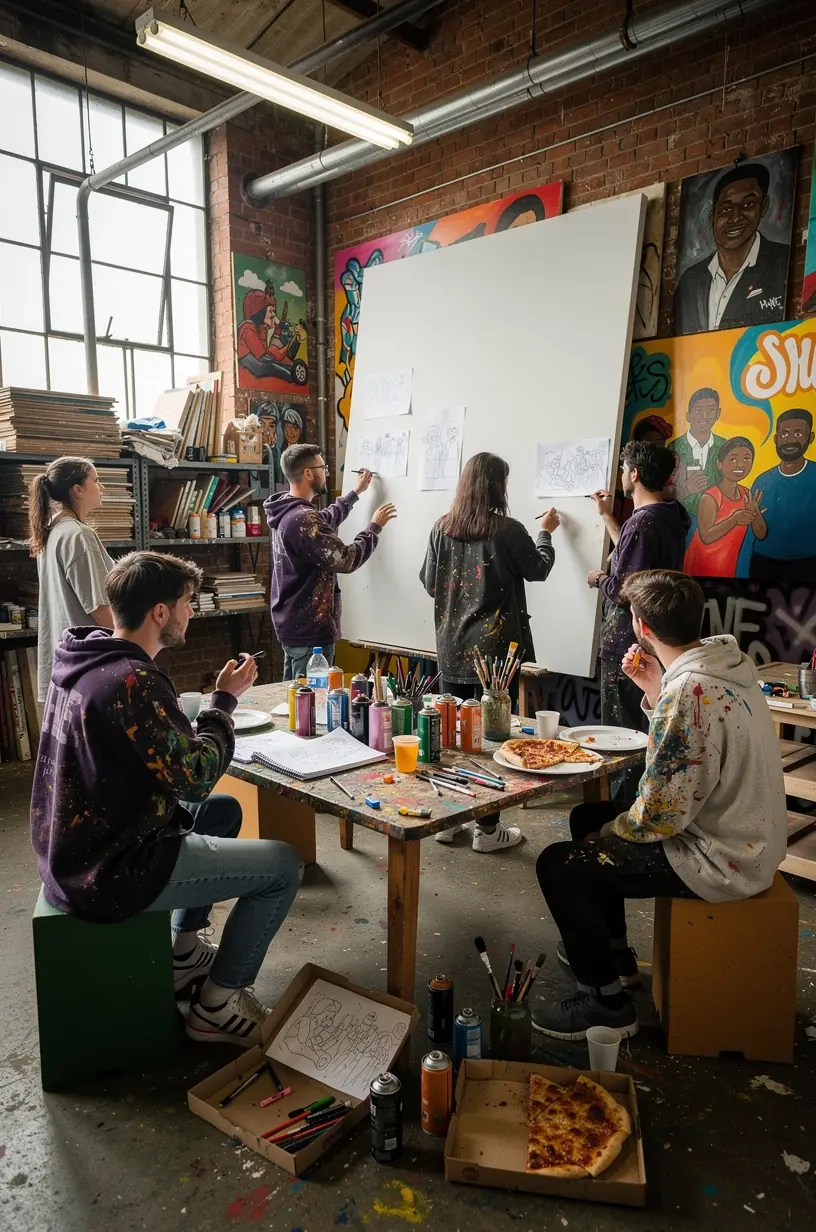
Collaborative Projects: Steps to Successful Execution
Engaging in collaborative projects can be a rewarding experience for community hobby clubs. While the excitement of working together is palpable, successful execution requires a structured approach. This article will outline key steps to ensure that your collaborative efforts yield fruitful results.
Understanding the Basics
To navigate the complexities of collaborative projects, it is essential to understand their fundamental principles. According to a study published in the Journal of Community Engagement, successful collaborations often rely on clear communication, mutual respect, and defined roles. These factors contribute to a productive environment where creativity can thrive.

"Effective collaboration requires a shared vision and a commitment to collective goals." - Community Engagement Expert
Step-by-Step Process for Execution
Executing a collaborative project involves several key steps:
- Define Objectives: Clearly outline what you aim to achieve. This typically takes time for discussion and consensus among club members. Research shows that projects with well-defined goals have a higher success rate.
- Build a Diverse Team: Assemble a group with varying skills and perspectives. Experts recommend that diversity can foster innovation and lead to more well-rounded outcomes.
- Assign Roles and Responsibilities: Clearly delineate who is responsible for what. This is crucial as ambiguity can lead to confusion and inefficiency.
- Establish a Timeline: Create a realistic schedule that includes milestones. Depending on the project's scope, this may require several weeks to months to execute effectively.
- Regular Check-ins: Schedule meetings to discuss progress and address any challenges. This can help keep the project on track and encourage open communication.
- Evaluate and Reflect: After project completion, gather feedback from all participants. This step is often overlooked but is vital for learning and improvement in future projects.
Managing Expectations and Limitations
While collaborative projects can be immensely fulfilling, they may not be suitable for everyone. It's important to acknowledge that they often require dedicated time and effort from each participant. Typically, successful execution may take several weeks to months, depending on the project's complexity and participants' availability.
Moreover, while many users report increased creativity and satisfaction from collaborative efforts, it is essential to recognize that not all projects will meet expectations. A realistic understanding of each person's commitment is crucial to avoid disappointment.
Conclusion
Collaborative projects can significantly enhance the experience of community hobby clubs when approached thoughtfully. By following the steps outlined above, you can create a framework that encourages effective teamwork while acknowledging the necessary time and effort involved. Ultimately, the goal is to foster a creative and inclusive environment where all participants feel valued.
As you embark on your next collaborative venture, remember that while the journey may come with challenges, the potential rewards—both in terms of personal growth and community bonding—are well worth the effort.
Discover More