The Role of Collaboration in Creative Development
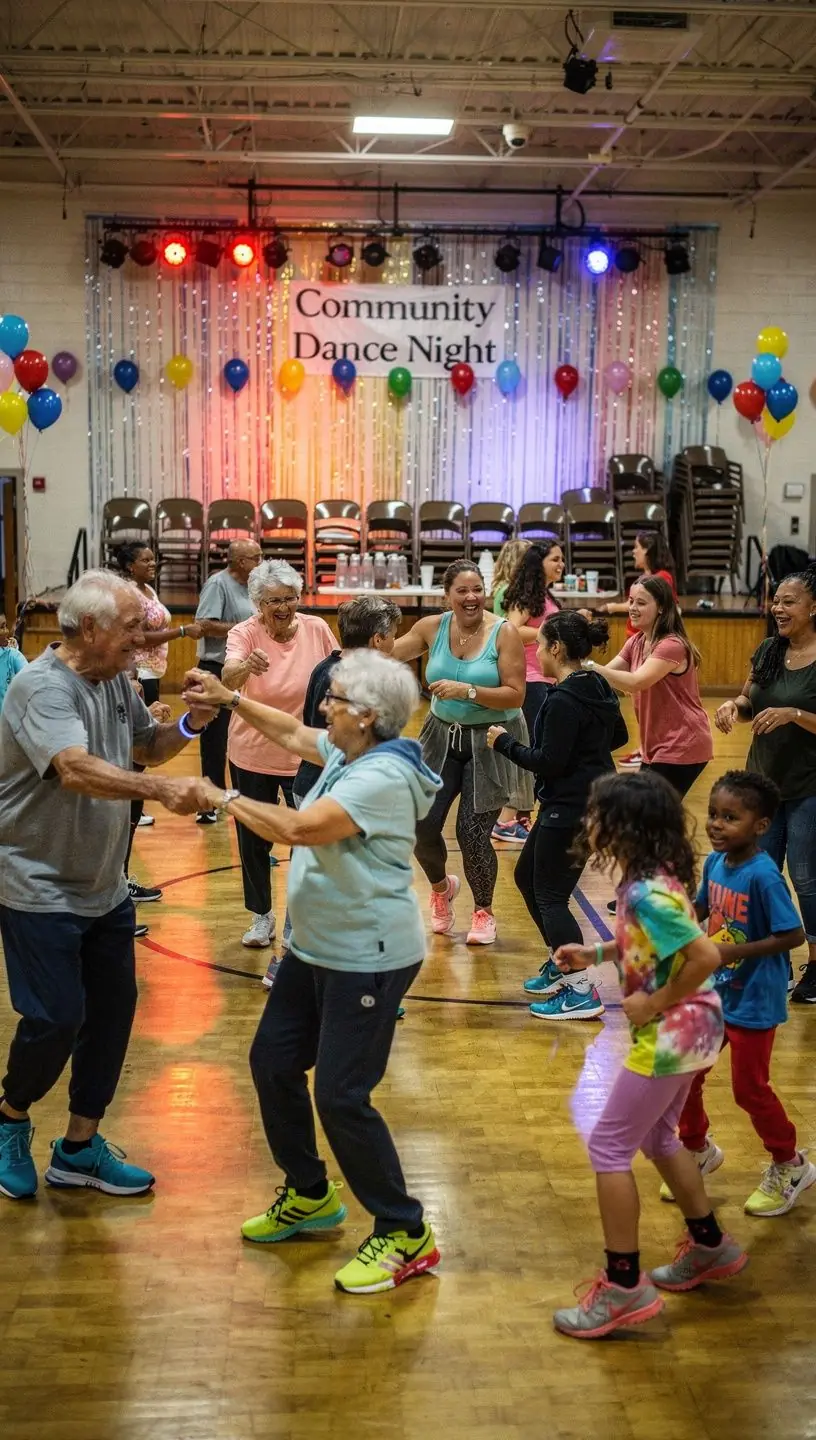
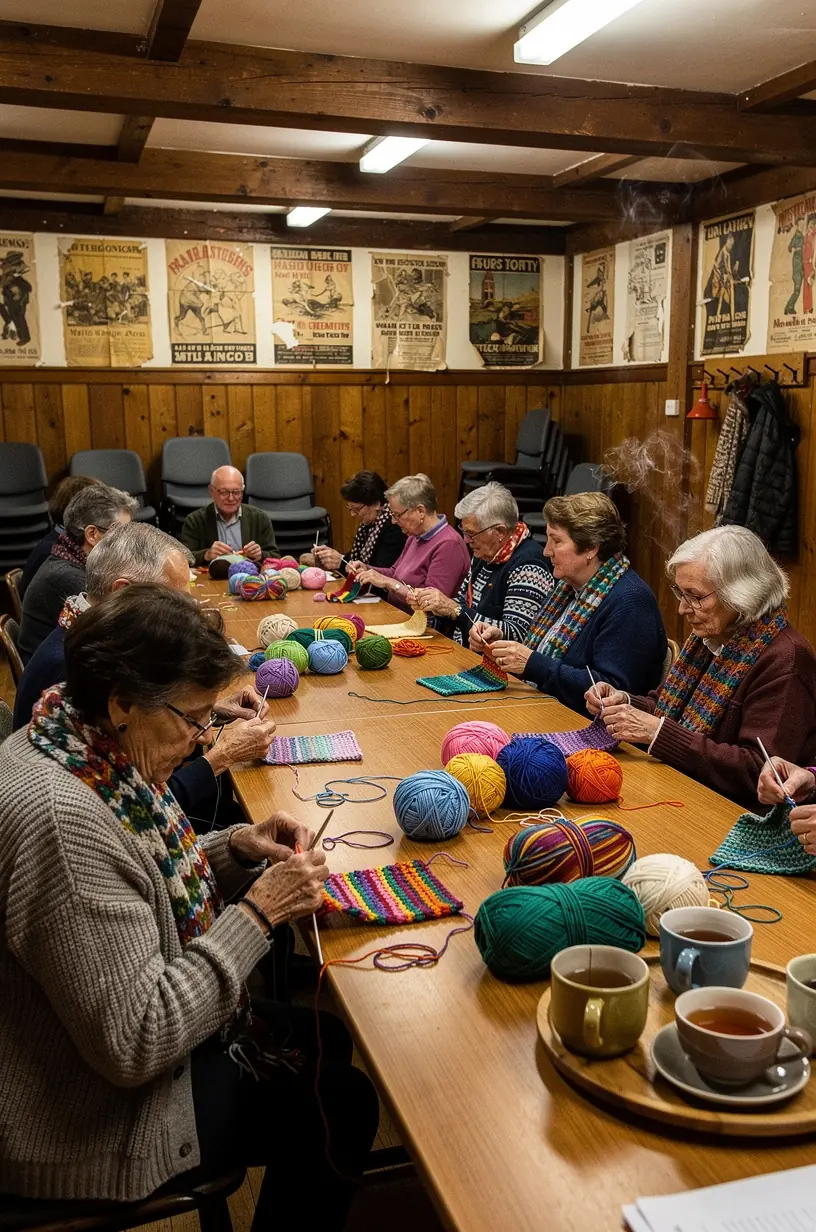
Collaboration is a vital component in the landscape of creative development. When hobby clubs come together for collaborative projects, the outcome can often exceed the sum of individual efforts. This article explores how collaboration fosters creativity and why it is essential in community settings.
Understanding the Collaborative Process
Collaboration typically involves individuals working together towards a common goal. According to research by the Institute for Creative Thinking, collaborative efforts can enhance individual creativity by 15-25%. This increase occurs because diverse perspectives contribute to a richer pool of ideas. Experts recommend fostering an environment where open dialogue and mutual respect are prioritized, as this encourages members to share their insights more freely.
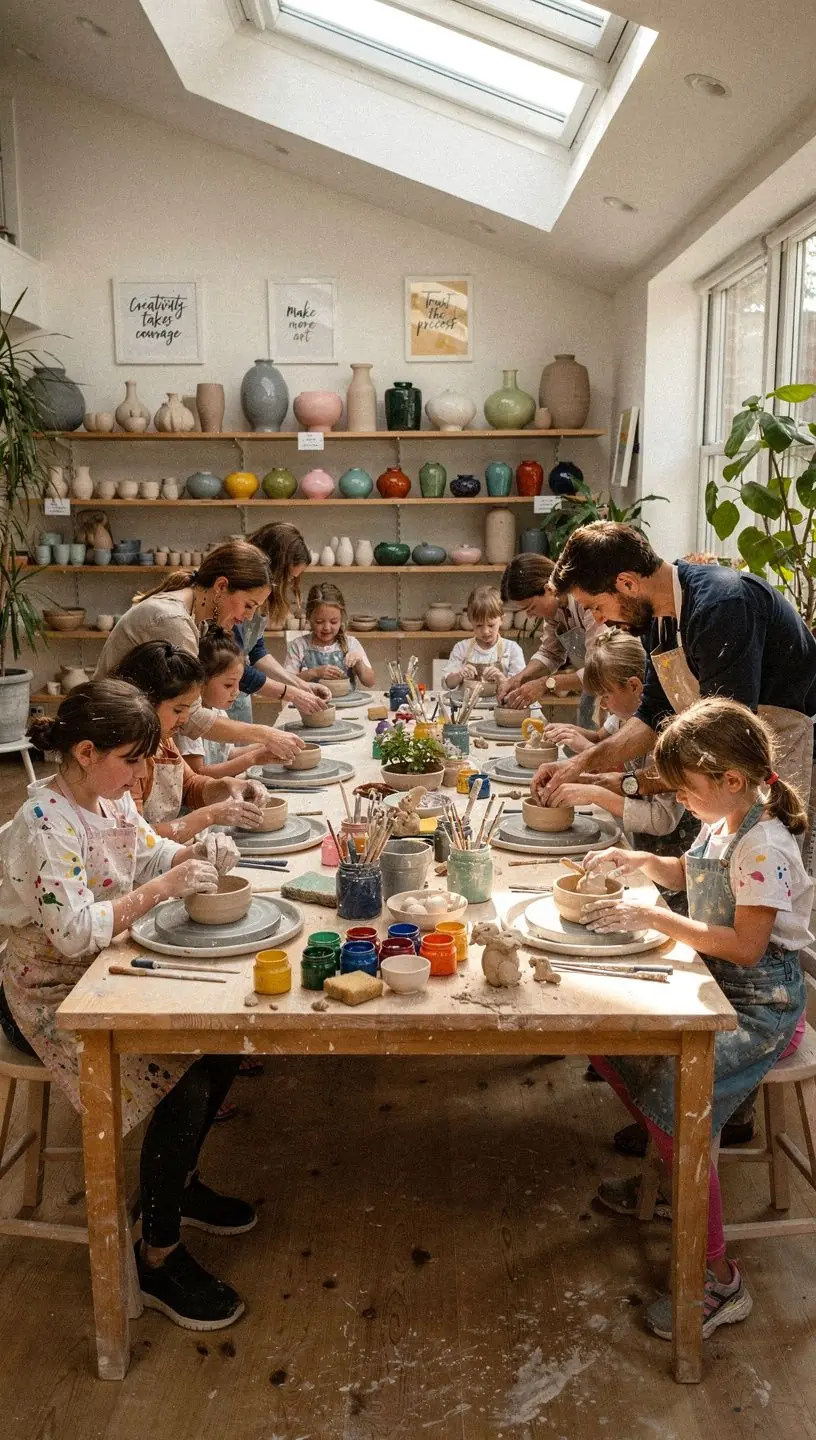
"Collaboration in creative environments often leads to innovations that individuals working alone may not achieve." — Dr. Sarah Mills, Creativity Expert
Benefits of Collaborative Creativity
Engaging in collaborative projects can yield numerous benefits:
- Diverse Perspectives: Bringing together individuals from various backgrounds leads to innovative solutions and ideas.
- Skill Enhancement: Collaborating allows members to learn from each other, enhancing their skills and abilities.
- Increased Motivation: Working with others can stimulate enthusiasm and keep participants engaged, especially during challenging phases of a project.
Practical Steps to Foster Collaboration
To create a successful collaborative environment within a community hobby club, consider the following steps:
- Establish Clear Objectives: Clearly define project goals to ensure everyone is aligned, which can enhance productivity and focus.
- Encourage Open Communication: Promote an atmosphere where team members feel comfortable expressing their ideas, which is crucial for creative development.
- Allocate Time for Reflection: Regularly assess the project's progress and allow time for members to reflect on their contributions and share feedback.
Acknowledge the Challenges
While collaboration can be highly beneficial, it is also important to recognize its challenges. Group dynamics can sometimes lead to conflicts or miscommunication. According to team dynamics research, it typically requires ongoing effort to maintain positive interactions. In most cases, setting ground rules for communication and conflict resolution can help mitigate these issues.
Conclusion
Collaboration plays a crucial role in enhancing creative development within community hobby clubs. By embracing diverse perspectives and fostering a supportive environment, clubs can unlock new levels of creativity. However, it is essential to be aware of the time and effort required to cultivate effective collaboration. With the right approach, the creative possibilities are virtually limitless.
Discover More