Practical Guide to Setting Up Collaborative Workshops
Organizing collaborative workshops can foster creativity and strengthen community ties. This practical guide provides insights into effectively setting up these workshops to ensure productive and enjoyable experiences for all participants.
Understanding the Basics of Collaborative Workshops
Collaborative workshops, often used in creative communities, allow participants to share ideas, learn new skills, and work together on projects. According to research, these workshops can enhance teamwork skills and drive innovation. Experts recommend creating an inclusive environment to maximize participation and creativity.
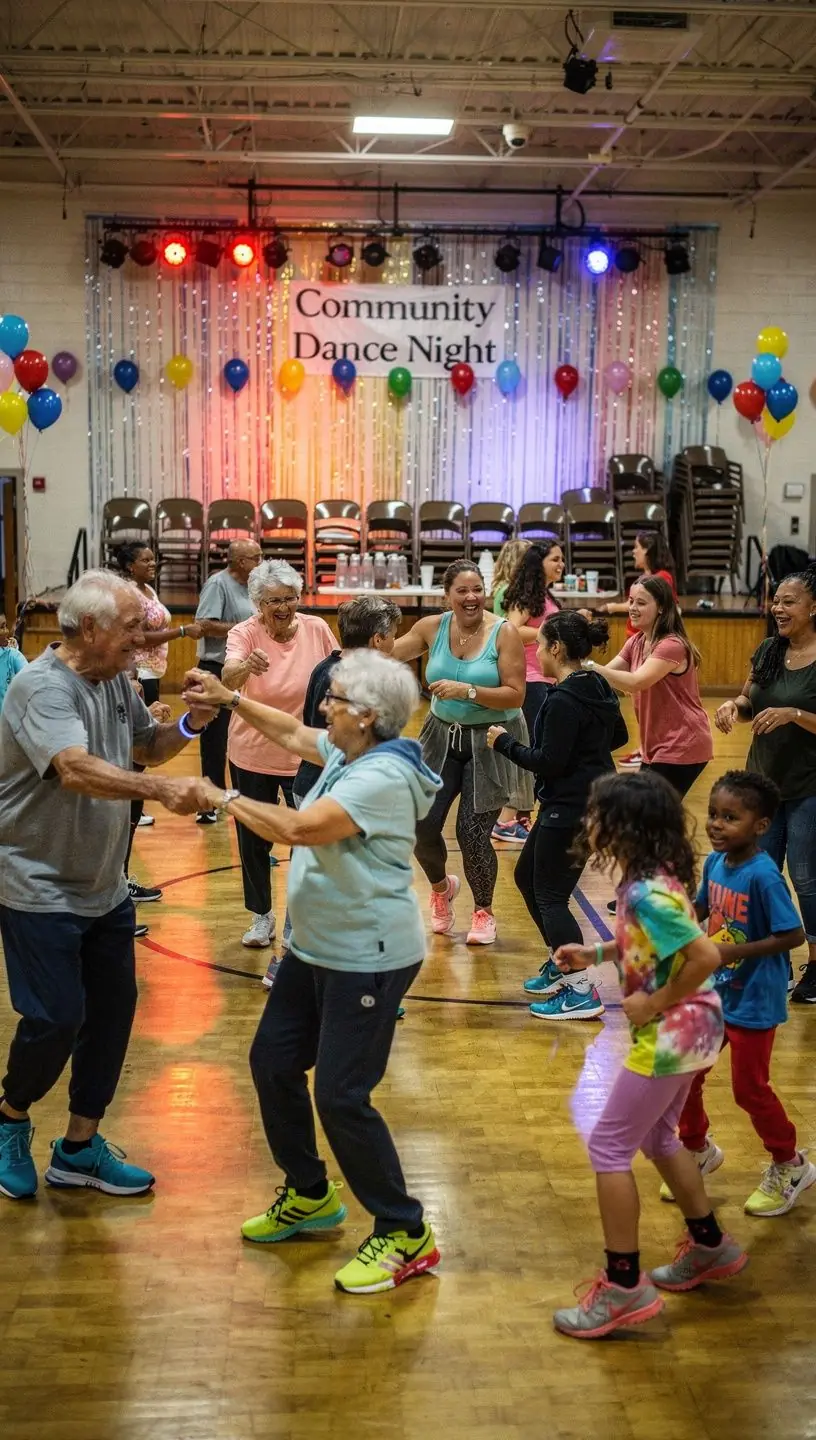
"Collaborative workshops can significantly enhance community engagement and skill development." - Community Development Expert
Steps to Setting Up Your Workshop
Creating a successful workshop typically involves several key steps:
- Define Your Goals: Clearly outline the objectives of the workshop. This helps participants understand the purpose and what they can gain, which is crucial for engagement.
- Select a Suitable Venue: Choose a location that accommodates your group size and facilitates interaction. Ideally, it should be accessible and comfortable to encourage participation.
- Plan the Agenda: Develop a structured agenda that balances presentations, discussions, and hands-on activities. Studies show that workshops with varied formats tend to keep participants engaged longer.
- Gather Materials: Ensure you have all necessary supplies beforehand. This may include art materials, technology, or handouts. Being prepared can prevent interruptions and maintain focus.
- Facilitate Effectively: Appoint a facilitator who can guide discussions, manage time, and encourage participation. Research indicates that effective facilitation can enhance the overall experience by keeping the group focused and engaged.
Engagement Techniques to Foster Collaboration
To create an engaging atmosphere, consider implementing the following techniques:
- Icebreakers: Start with icebreaker activities that allow participants to introduce themselves and feel comfortable. This sets a positive tone for collaboration.
- Group Activities: Encourage small group discussions or brainstorming sessions. This often leads to more diverse ideas and ensures everyone has a chance to contribute.
- Feedback Sessions: Incorporate opportunities for feedback throughout the workshop. This can help participants feel valued and also enhance the quality of the projects being worked on.
Challenges to Anticipate
While organizing collaborative workshops can be rewarding, it also comes with challenges. It is important to acknowledge the limitations:
- Time Commitment: Setting up a workshop typically requires 2-4 weeks of planning and preparation.
- Participant Engagement: Keeping participants engaged can be difficult, especially if they are not familiar with each other or the topic.
- Resource Management: Gathering and managing materials may require additional effort and coordination.
Conclusion
In summary, setting up collaborative workshops is a practical way to enhance community engagement and foster creativity. By following best practices—such as defining clear goals, facilitating effectively, and being prepared for challenges—you can create an environment that promotes collaboration and idea sharing. Remember to keep expectations realistic and focus on educational value to ensure a successful experience for all participants.
Discover More