Documenting Your Club's Creative Journey for Growth
Engaging in creative projects within hobby clubs can be immensely rewarding. However, documenting this creative journey is not just a way to capture memories; it can also serve as a powerful tool for growth and community building. In this article, we will explore the significance of documenting your club's activities and how it can enhance your collective experience.
Understanding the Importance of Documentation
Many hobby clubs overlook the value of documentation. Research suggests that documenting creative processes can significantly enhance retention of knowledge and skills among group members. This is because writing about experiences allows individuals to reflect on their progress and understand how they can improve.
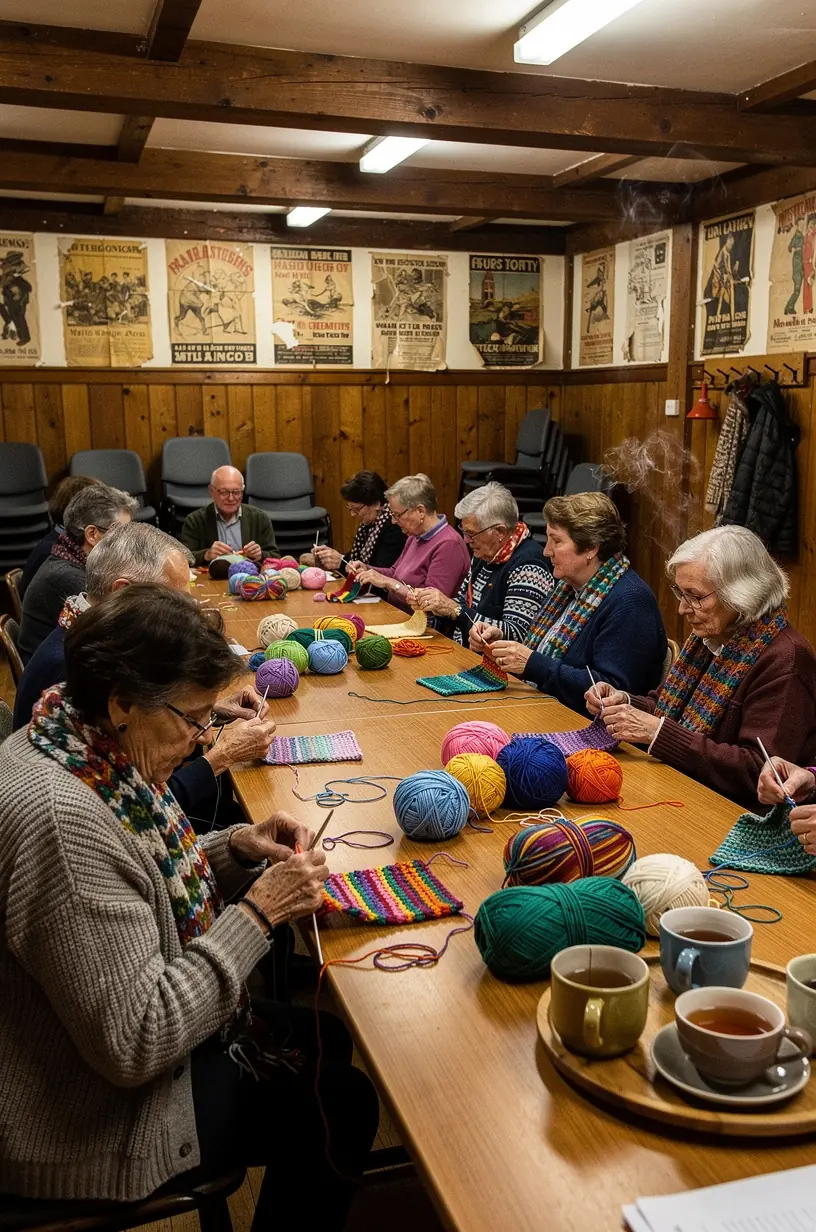
"Reflective practice is essential in developing both personal and group creativity." - Creativity Research Journal
Methods for Effective Documentation
There are various methods to document your club's creative journey. Here are some common practices:
- Journals or Logs: Keeping a shared journal or log can help track project progress, ideas, and lessons learned. This method often requires regular contributions from all members.
- Photography: Taking photos during meetings and events can visually capture the process and outcomes of projects. Experts recommend using captions to provide context for each image.
- Video Recordings: Recording sessions or discussions can serve as a rich resource for reflection. Many users report that watching past meetings can spark new ideas and discussions.
Maximizing the Benefits of Your Documentation
To truly benefit from your documentation, consider the following:
- Set Regular Review Meetings: Schedule time to review past entries. This can help identify patterns, celebrate successes, and discuss areas for improvement. Studies show that regular reflection can enhance group cohesion.
- Encourage Contributions: Make it a habit for all club members to contribute to the documentation process. This fosters ownership and can lead to a richer archive of experiences.
- Share Your Journey: Consider sharing your documented journey through a blog or social media. This not only showcases your club’s creativity but can also attract new members and foster community engagement.
Realistic Expectations and Considerations
While documenting your club's creative journey can be beneficial, it’s important to recognize that it requires effort and time. Typically, setting up a consistent documentation process might take a few initial sessions to establish. Additionally, it involves a learning curve for members who may be unfamiliar with certain tools or practices.
This approach works best when all members are committed to participating. If documenting feels like a chore, it may not result in the desired engagement or insights. Therefore, it's crucial to keep the process enjoyable and relevant to your club's interests.
Conclusion
Documenting your club's creative journey can be a profound method for fostering growth and enhancing the collective experience of its members. By employing various documentation techniques and encouraging active participation, your club can create a valuable resource that not only celebrates past achievements but also serves as a springboard for future projects. Remember, the goal is not just to document but to reflect, learn, and grow together.